

When the leaves start changing and the air turns crisp here in Connecticut, families naturally begin thinking about how the colder months might affect their loved ones. For folks living in skilled nursing centers, fall and winter can bring extra challenges—things like slippery floors, drier indoor air, seasonal bugs, and breathing difficulties that seem to flare up when the temperature drops. At iCare Health Network, we pay close attention to these seasonal shifts because we know how important it is for residents to stay safe, active, and as independent as possible all year round.
Staying Steady on Your Feet During Fall and Winter
Falls are something we take very seriously. Shorter days, less natural light, and more time spent indoors can make balance issues feel more noticeable. Our teams work on prevention every single day, not just when something happens.
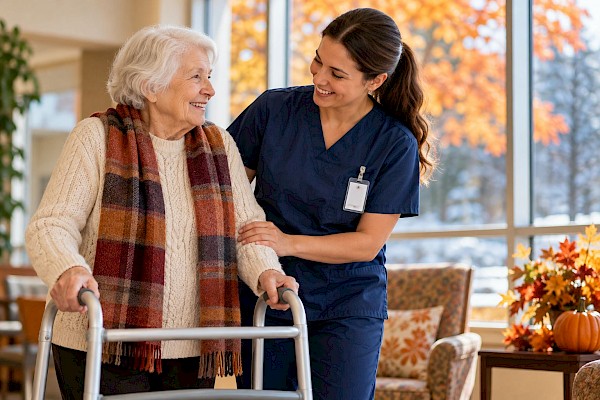
That starts with regular checks on how residents are moving and balancing. Physical and occupational therapists create plans tailored to each person—maybe exercises to build leg strength, practice with walkers or canes, or simple adjustments around the room like better lighting and clear walkways. We also make sure footwear fits well and encourage safe movement habits. The idea is to help residents feel confident getting around, whether they’re heading to meals, activities, or just enjoying time with family. Small steps like these really add up and help cut down on unnecessary risks when the weather keeps everyone inside more.
Breathing Easier Through the Colder Months
Respiratory health becomes a bigger focus once heating systems come on and viruses start circulating. For residents with COPD, heart conditions, or a history of breathing troubles, winter can feel especially tough. Congestion, coughing, and fatigue tend to increase, which can slow down recovery or daily routines.
Our pulmonary programs are designed to help with exactly that. At several centers, we offer advanced support for respiratory needs, including specialized therapies, equipment like percussion vests, and close monitoring by nurses and therapists. The goal is to manage symptoms before they worsen and help residents keep their strength and energy. We also talk a lot with families about simple things that make a difference—staying hydrated, good hand hygiene, and making sure vaccinations are up to date. These everyday habits, combined with clinical care, help many residents get through the season with fewer setbacks.
Bringing It All Together for Better Days
What we’ve learned over the years is that fall prevention and respiratory support work best when they’re part of the same conversation. A resident strengthening their balance in therapy might also need extra attention to breathing so they can stay active. Our nurses, therapists, doctors, and other team members talk regularly to make sure care plans fit the whole person, not just one issue at a time.
This way of caring lines up with how we’ve always tried to do things at iCare—paying attention to education for staff and families, showing real nurturance in daily life, treating everyone with respect, looking for better ways to do things, staying committed to quality, and keeping health as the top priority. Whether someone is here for short-term rehab after a hospital stay or for longer-term support, we focus on what helps them live as fully as possible.
Families often share how much it means to see their loved one continue to enjoy meals, activities, and visits even as the weather changes. It reminds us why we do this work.
If you’re thinking about care options or have questions about how we support residents through the fall and winter, we’d be happy to talk. Our admissions team can walk you through the programs and centers that might be the best fit.
Give iCentral a call at (860) 812-0788.
We’re here to help families prepare and feel supported. No matter what the season brings, our focus stays on keeping residents safe, engaged, and treated with the dignity they deserve.